

Retail distribution strategy remains a pivotal component of a company’s overall success.
Striking the right chord with your retail distribution by choosing the right strategy can catapult your products into becoming household names or if mismanaged, cause them to flicker out faster than they appeared.
Let’s debunk some common myths that might mislead your company’s approach and provide proven practices that could buttress your retail distribution strategy.
Stick around for some FAQs at the end of this post!

How to Follow Successful Retail Distribution Strategies
A successful retail distribution strategy ensures products reach the retail shelves in a timely and cost-effectively. With cost and time in mind, we can use these as criteria for all successful retail distribution strategies.
Ultimately, our successful retail distribution strategies will further optimize how they get there – maximizing profit and market reach.
In order to do so, we need to enhance your understanding of how adaptive and well-implemented distribution frameworks can boost your business’s performance and sustainability in the competitive market.
Here are the 5 misconceptions most people have about retail distribution strategies in 2024.
Key Takeaways
- Myth Debunking: Understand the misconceptions surrounding retail distribution strategy.
- Efficiency Tips: Learn how to optimize your retail distribution for better performance.
- Best Practices: Gain insights into effective retail distribution strategy that can help you widen your market reach.
Myth 1: Having an Exclusive Distribution Strategy is Always the Best Approach
Truth: An exclusive distribution strategy means supplying your product solely through specific retailers or distributors, thus limiting the breadth of market exposure. This might work for luxury brands aiming to maintain a high-end image, however, it can restrict potential market size for other types of products.
Better Practice: Consider a selective distribution strategy, which involves distributing your products through select outlets that align with your brand’s image and customer base.
This method ensures quality control and brand consistency without severely limiting market exposure. Analyzing your target audience’s shopping habits is crucial to choosing the correct retail distribution channel that meets their preferences and shopping behaviors.
Myth 2: More Is Always Better When It Comes to Retail Locations
Truth: Expanding indiscriminately to as many retail locations as possible may lead to logistical nightmares and dilution of brand values. Overexpansion can overstretch resources and weaken brand prestige.
Better Practice: Strategic expansion is key to retail distribution strategy. Analyze market data to identify locations with the highest demand for your product and focus on efficient supply chain management. Expand systematically rather than impulsively.

Myth 3: The Best Retail Distribution Channels Are Always the Biggest Ones
Truth: Major retailers like big-box stores may offer incredible volume, but they also come with challenges such as fierce competition, lower control over brand presentation, and possibly lower margins due to high distributor fees.
Better Practice: Diversify your approach by incorporating both major retailers and niche or specialty stores into your distribution network. This helps create strong relationships with various customer segments and strengthens your overall retail distribution logistics.
Myth 4: An Online Retail Distribution Channel Replaces Brick and Mortar Stores
Truth: While online shopping has seen tremendous growth, brick and mortar stores still play a critical role in consumer shopping behaviors, offering tangible experiences that online platforms can’t fully replicate.
Better Practice: Adopt an omni-channel retail strategy. By integrating direct-to-consumer online channels with physical retail stores, companies can offer comprehensive customer experiences that leverage the strengths of both, enhancing reach and satisfaction.
Get in Touch to Find Out More
Myth 5: Once Set, Your Distribution Strategy Should Not Change
Truth: Market dynamics constantly shift due to new technologies, changing consumer preferences, and competitive actions. A static distribution strategy risks becoming outdated.
Better Practice: Regularly review and revise your distribution strategy. Stay adaptable by keeping close tabs on market trends, sales data, and customer feedback to keep your strategy responsive and efficient.
Refine Your Retain Distribution Channel
Incorporating these refined strategies into your retail distribution management can significantly enhance your products’ market impact.
Adjustments tailored specifically to the nature of your product and responsive to market demands are crucial for sustained growth in a competitive landscape.
Let’s delve deeper into effective practices in upcoming sections – stay tuned!

Understanding Retail Distribution Strategy
A retail distribution strategy is a plan that outlines how a product moves from the manufacturer or producer to the final point of sale to the consumer.
It determines the pathways and intermediaries that a product travels through, influencing everything from product availability to the final retail price and overall consumer accessibility.
Crafting an effective retail distribution strategy involves selecting optimal channels and methods based on the target market, product type, competitive environment, and overall business objectives.
Intensive Distribution
- Intensive distribution maximizes product availability by placing it in as many outlets as possible.
- This approach best suits consumer goods that benefit from ubiquitous presence, such as household products, snacks, or soft drinks.
The goal here is to provide high visibility and convenience for the customer, encouraging impulse buys and increasing market penetration.
Selective Distribution
- Selective distribution involves choosing a limited number of retail locations to carry your products.
- This method is typically employed for items that require a particular sales context or brand alignment, such as premium fashion brands or high-end electronics.
Selective distribution helps maintain a brand’s prestigious image while ensuring that the selling environments align with the brand’s marketing strategy.
Exclusive Distribution
- Exclusive distribution limits the distribution points to one or a few select retailers within a specific geographic area.
- This strategy is often used for luxury goods, limited edition items, or products requiring particular sales expertise.
Exclusive distribution allows for tight control over the retail environment and brand portrayal, which can help maintain a product’s luxury appeal.
Direct Distribution
- Direct distribution eliminates intermediaries by allowing manufacturers or producers to sell their products directly to consumers.
- This can be executed through company-owned stores, online sales platforms, or direct mail.
Direct distribution affords companies higher margins and greater control over their branding and customer relations.
Identifying the Correct Distribution Channel
As digital platforms continue to expand, direct-to-consumer sales strategies have become increasingly viable and popular across various industries.
Implementing an effective retail distribution strategy requires understanding these approaches and choosing one that aligns best with your business goals, product attributes, and market demands.
Each strategy offers distinct advantages and can be pivotal in shaping your product’s journey to the consumer’s hands.
Here’s a great explainer video on retail distribution strategy and how it works!
(video credit: Distromike)

Effective Retail Distribution Practices for Expansion and Market Penetration
After dispelling common myths about retail distribution, it is essential to dive deeper into actionable strategies that can amplify your product’s market presence and customer reach.
Here, we focus on practical measures that ensure your retail distribution channels are leveraged to their maximum potential.
Evaluate and Harness the Power of Multiple Distribution Channels
Distribution Channel Diversification: Relying solely on a single distribution channel can be risky. Variety in your channel strategy accommodates different shopper behaviors and preferences, thus extending your brand’s reach.
- Intensive Distribution Strategy: Deploy your products widely in nearly all available outlets. This approach is suited for consumer goods that require extensive exposure.
- Selective Distribution: Choose outlets that match your target audience’s specific demographic and psychographic profiles. This is ideal for brands positioned in the mid to high-end market segments.
- Exclusive Distribution: Contract with fewer, carefully selected retailers to maintain a high brand value. Luxury brands often utilize this method to associate with high-end retail partners and maintain exclusivity.
Optimization of Supply Chain for Enhanced Efficiency
Your supply chain should be agile enough to respond to market changes swiftly and cost-effectively. Increasing efficiency in the supply chain directly impacts inventory costs, delivery speeds, and overall customer satisfaction.
- Technology Integration: Implement advanced logistics technology to streamline operations—from inventory management systems (IMS) to automated delivery solutions.
- Strategic Warehouse Locations: Positioning warehouses strategically near major transportation hubs or within close proximity of key markets reduces transport times and costs.
- Partner with experienced 3PL providers: Companies like Launch Fulfillment offer expert logistics services that optimize your entire distribution process allowing you to focus on core business activities while ensuring efficient product movement.
Strengthen Retailer Relationships to Enhance Brand Distribution
Building strong ties with retailers is pivotal. These relationships foster better cooperation and alignment on marketing campaigns, product placements, and shared customer insights, which are vital for mutual growth.
- Collaborative Planning and Forecasting: Working closely with retail distributors to predict consumer demand can significantly improve inventory accuracy.
- Retail Staff Training Programs:** Equip retail staff with the necessary knowledge about your products to enhance the in-store customer experience and increase the likelihood of sales.
- Exclusive Offers or Wholesale Discounts: Offering incentives can cement loyalty among existing retail channels and make your brand more appealing compared to competitors.
Regularly Adapt to New Market Trends
Staying static in a dynamic retail environment can spell disaster for even well-established brands. Constant adaptation ensures your strategy remains relevant and competitive.
- Utilize Consumer Behaviour Data: Monitor how consumer preferences evolve regarding online shopping habits, sustainability concerns, or product innovation expectations.
- Explore Emerging Markets: Continuously scout for new geographic areas or demographics exhibiting potential without overcrowding your current markets.
- Cultural Adaptation: When expanding internationally, tailor products and marketing content to fit cultural nuances to ensure resonance with local consumers.
Keep a Close Eye on Performance Metrics
Tracking and analyzing the right metrics allows businesses to pulse-check operations in real time, affording opportunities for quick adjustments.
- Sales Data Analysis: Keeps track of which products perform well which enables optimized really normal like even better stock planning.
- Customer Feedback Channels: Implement robust systems for gathering client feedback – both positive and negative – which is invaluable for ongoing improvement efforts.
By implementing these improved business practices, companies can increase the efficiency of their retail distribution strategies and enhance their adaptability in a rapidly changing marketplace.
Our next section will look at real-world examples of effective distribution strategies compounded by market success.
Ready to Ship?

Real-world Applications of Advanced Retail Distribution Strategies
Having explored key strategies for optimizing retail distribution, let’s examine how employing refined distribution tactics can lead to real-world success.
These case examples highlight the importance of an adaptive and well-managed retail distribution strategy in boosting market presence and consumer satisfaction.
Case Study 1:
A renowned fashion brand overcame market saturation by implementing a selective distribution strategy.
Collaborating with high-end retail stores that aligned with its brand values resulted in enhanced brand prestige and customer loyalty.
Case Study 2:
An electronics company utilized intensive distribution practices to capitalize on the release of a new gadget.
By placing their product in multiple types of retail outlets—including online platforms, big-box stores, and specialty tech shops—they maximized exposure and tripled their sales figures during the first month.
Case Study 3:
A beverage company partnered with a third-party fulfillment company to optimize their supply chain logistics.
By optimizing warehouse locations and employing advanced data analytics, they improved delivery efficiency, reducing transportation costs]and enhancing customer satisfaction significantly.
The Importance of Agile Response and Revision
Each case underscores how an updated approach to retail distribution channels and strategies can significantly influence a business’s trajectory.
Companies that monitor performance indicators closely and remain flexible in adjusting their tactics accordingly are better positioned to thrive in volatile markets.
FAQs about Dimensional Weight
1. What are the four types of distribution strategies?
-
Intensive Distribution: Products are stocked in as many outlets as possible.
-
Selective Distribution: Products are sold through designated retailers.
-
Exclusive Distribution: Products are available only through specific retailers or locations.
-
Direct Distribution: Products are sold directly from producer to consumer without intermediaries.
2. What are retail distribution strategies?
These strategies involve methods and plans utilized by manufacturers and producers to bring their products to market, ensuring they reach the end consumer through various channels like retail stores, online platforms, or direct sales.
3. What are the three forms of retail distribution?
Intensive, Selective, and Exclusive distribution are the three key forms which represent different levels of market saturation and control over where products are sold.
4. What is the distribution model of retail?
This model outlines how goods transition from manufacturers to wholesalers or distributors, before reaching retail outlets where they become accessible to the general public.
5. What is retail and distribution?
Retail involves selling goods directly to consumers while distribution refers to the broader process of transporting, storing, and distributing goods through various channels until they reach retail points.
6. What is a distributor and retailer?
A distributor acts as an intermediary who distributes products, typically purchased from manufacturers, to various retailers. A retailer sells products directly to consumers.
7. What is the difference between a retail store and a distributor?
Retail stores sell products directly to end consumers whereas distributors supply products to various retailers not directly involved in manufacturing them.
8. What are the distribution strategies for retailers?
Retailers can adopt different strategies like carrying exclusive brands, offering proprietary products or embracing an omni-channel approach which involves selling both in physical stores and online.
All The answers
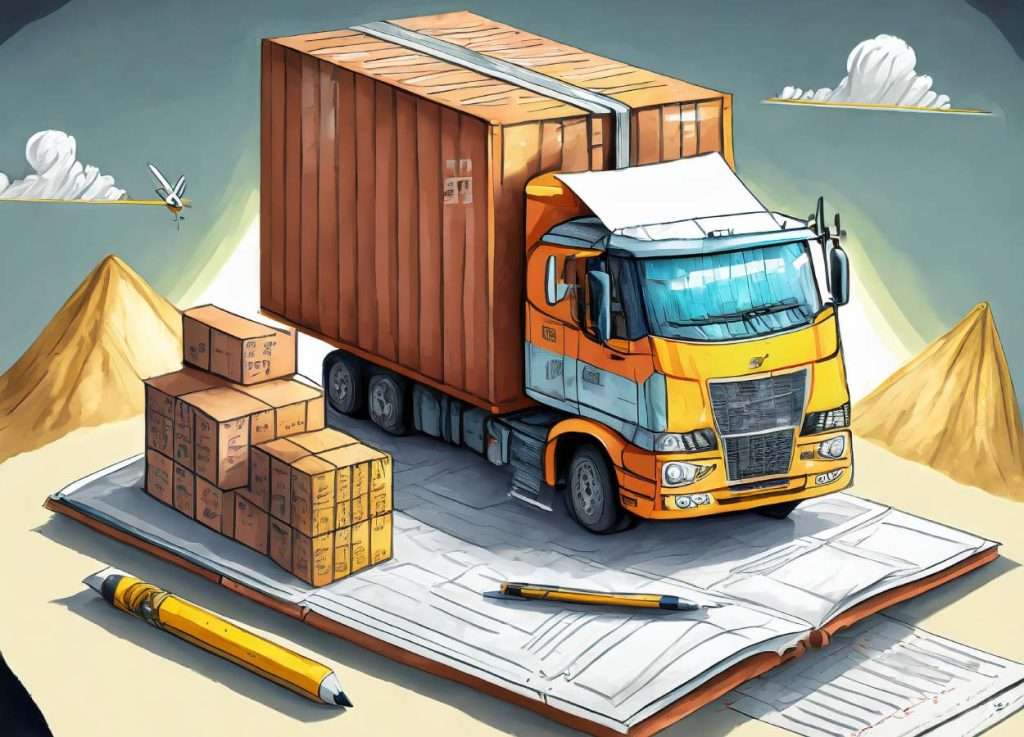
Conclusion: Successful Retail Distribution Strategies are Possible
Analyzing insights alongside real-world examples of innovative distribution tactics within retail channels helps businesses configure more effective approaches toward evolving their strategies.
It’s about responsive and dynamic retail distribution strategies that ultimately define your network. From this network, you will find that there is a target audience out there for you to identify and connect with.
Before you begin your successful retail distribution strategies, or if you need help determining one that’s best for you, give Launch Fulfillment a call and we’ll get you started with the best third party retail distribution logistics in the game!

What Is Supply Chain Visibility?
The ability to see and track products as they travel through the supply chain, as well as the...

Supply Chain Visibility Explained
Supply chain visibility is the capacity to view and track items as they move through the supply...
Elements Of The Supply Chain That Can Benefit From More Visibility
Increased supply chain visibility may benefit almost every component of the it, but certain...
References
DeAcetis, J. (2023, December 14). The perfect balance: How luxury brands can maintain exclusivity and still be relatable online. Forbes. https://www.forbes.com/sites/josephdeacetis/2020/10/24/the-perfect-balance-how-luxury-brands-can-maintain-exclusivity-and-still-be-relatable-online/
Distromike. (2020, December 4). How retail distribution works | margins, process and distribution. YouTube. https://www.youtube.com/watch?v=nxLDzQ_AqVw
Kusuda, Y. (2021). Price and Fulfillment Strategies in Omnichannel Retailing.
Pluta-Olearnik, M., & Jadach, R. (2019). Multichannel selling – the key to success in retail. Annales Universitatis Mariae Curie-Skłodowska, sectio H – Oeconomia.
Schwalbach, R. (2024, May 3). Driving strategic value: Building a more resilient and sustainable supply chain. SupplyChainBrain RSS. https://www.supplychainbrain.com/articles/39611-driving-strategic-value-building-a-more-resilient-and-sustainable-supply-chain
